
80 Years of Orrco: From Screw Machines to CNC Precision
January 29, 2026Why Valve Manufacturers Trust Precision Machining Partners Like ORRCO
March 18, 2026Why CNC Machining Material Selection Matters
CNC machining materials play a critical role in the performance and longevity of every precision component you build. Specifying the wrong material doesn’t just affect performance — it affects your bottom line. Premature wear, corrosion, unexpected failures, and costly replacements all trace back to material decisions made early in the design process. At Orrco, we work with engineers and buyers every day to get that decision right from the start.
We specialize in tight-tolerance machining in steel, aluminum, and brass, and understanding the strengths of each helps ensure your components perform reliably for the long haul. The right CNC machining materials choice depends on your application’s pressure requirements, environmental conditions, weight constraints, and expected service life.

Steel: Built for Demanding Environments
When your application involves high pressure, heavy loads, or abrasive conditions, steel is usually the answer. Its strength and wear resistance make it the material of choice for valves, pumps, and fluid-handling components that can’t afford to fail. Steel holds tight tolerances well over time, which matters in systems where dimensional stability directly impacts performance and safety.
Common steel grades we machine include 1018, 1215, and 12L14 for general purpose applications, and 4140 when higher strength and hardness are required. Stainless steel grades like 303 and 304 are specified when corrosion resistance is needed alongside strength — common in medical, food processing, and marine environments. If your component operates under high stress, high temperature, or in a corrosive environment, steel is almost always the right starting point for your CNC machining materials conversation.
Aluminum: Strength Without the Weight
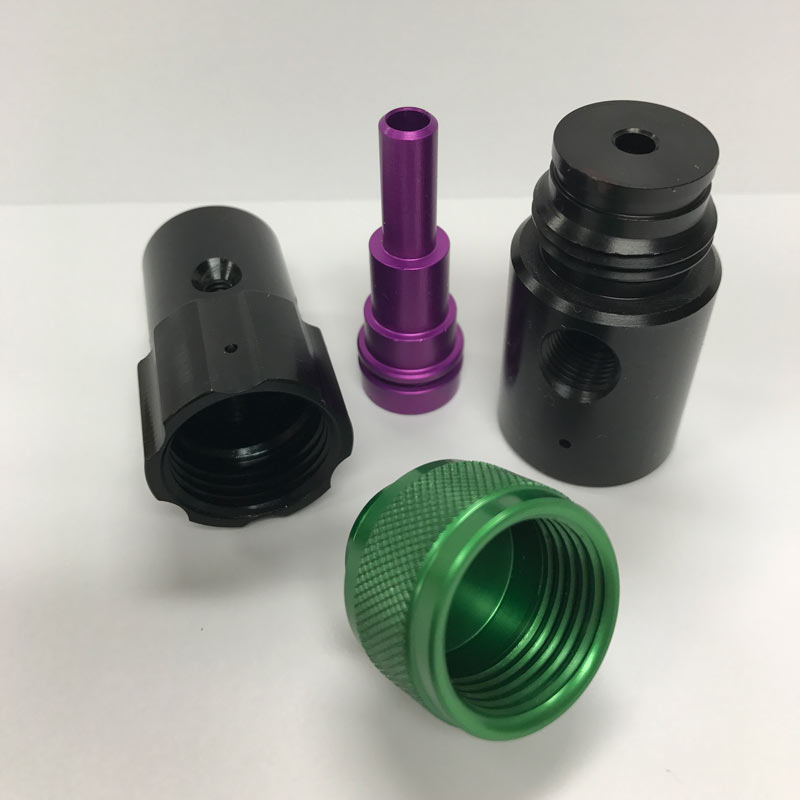
Aluminum is one of the most versatile CNC machining materials available. It machines quickly, holds complex geometries well, and offers natural corrosion resistance in moisture-rich or chemically active environments. For applications where weight reduction is a priority — or where prototype turnaround speed matters — aluminum delivers without sacrificing the dimensional accuracy your application demands.
6061 aluminum is the most commonly specified grade for structural and general purpose components, offering a strong balance of strength, weldability, and corrosion resistance. 7075 aluminum is specified when maximum strength is needed, making it popular in aerospace and defense applications. 2011 and 2024 grades machine exceptionally well and are often chosen specifically for high-volume screw machine production where surface finish and tool life matter.
Aluminum’s thermal conductivity also makes it a smart choice for heat dissipation applications in electronics and communications components, an area where precise material selection is especially critical.
Brass: Precise, Reliable, and Built to Last
Brass is a machinist’s material in the best sense — it cuts cleanly, holds tight tolerances, and produces excellent surface finishes. Its corrosion resistance makes it a go-to for fluid-handling systems, fittings, and valves, while its non-magnetic properties and thermal conductivity open doors for specialized electrical and thermal applications.
360 brass is the most widely used grade in precision machining, valued for its exceptional machinability and ability to hold very tight tolerances on high-volume production runs. It’s a natural fit for fittings, connectors, and valve components where both performance and finish quality matter. 385 brass is often chosen for larger diameter parts, while 260 brass offers better cold working characteristics for specific forming applications.
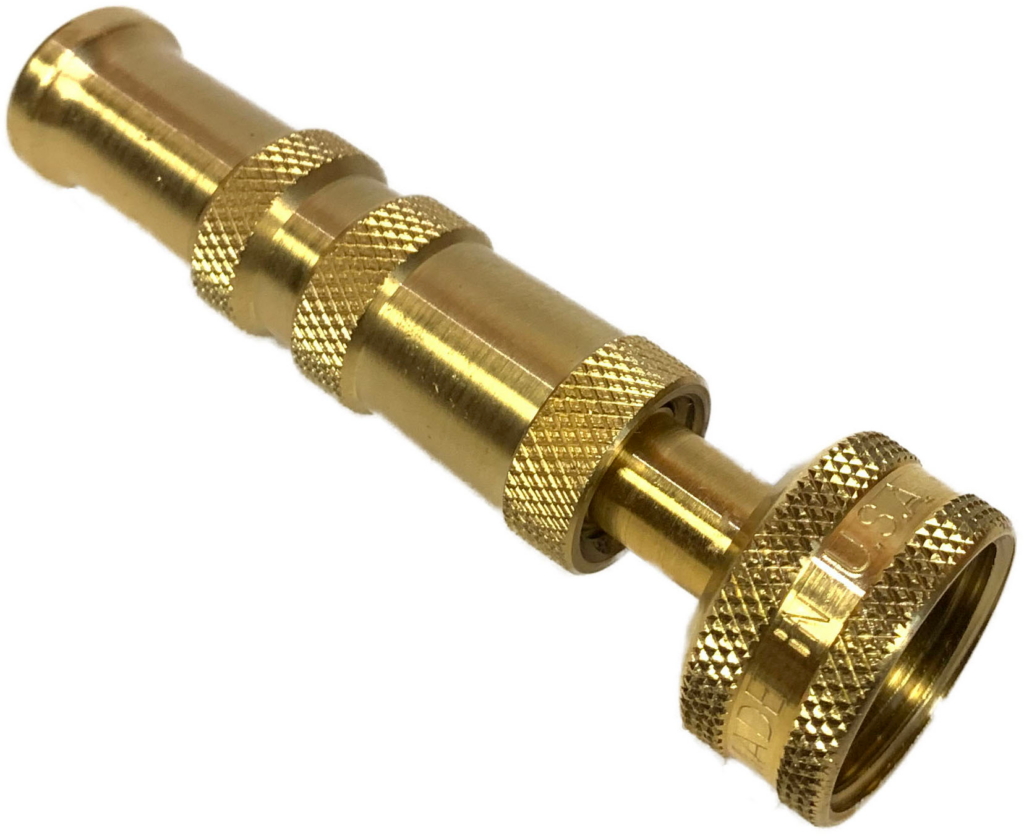
At Orrco, we manufacture our own line of brass hose nozzles, available on Amazon, giving homeowners and professionals direct access to the same quality we bring to industrial components every day. It’s a product that reflects everything we believe about brass as a CNC machining material — precise, durable, and built to perform.
Making the Right Call
Selecting the right CNC machining materials isn’t just a technical checkbox — it’s one of the most important investments you make in the reliability and lifespan of your system. The right choice reduces maintenance, prevents downtime, and ensures your components perform as intended from day one. Whether you’re working through a new design or re-evaluating an existing component that’s failing in the field, material selection deserves careful thought early in the process.
Our team at Orrco is happy to talk through your requirements and help you make the right call before you cut a single chip. With decades of experience machining steel, aluminum, and brass to tight tolerances across industries including medical, hydraulics, mining, and electronics, we bring practical knowledge to every material conversation. Contact us today to discuss your next project.